

LISTEN!!! I know this is supposed to be weekly and I missed last weekend. Resurrection weekend is rough for me. I still grieve the loss of my mother and that was her favorite holiday. Forgive me. Let us move forward.
Again… WOW. I thought the housing market boom in 2020 was a fluke because of pandemic pricing and what not. But my goodness. When the mortgage rates dropped right after the pandemic slapped the United States into submission, many people weren’t in a mindset of homebuying. I know I wasn’t. Next thing you know, $50 houses are selling for $500k at 2% interest! Now the prices are dropping, but the interest rates aren’t. Where is the love? And relief? Something… Anything… Bueller? Bueller? Anyhoo… Let’s talk about it.
What Happened/Is Happening?
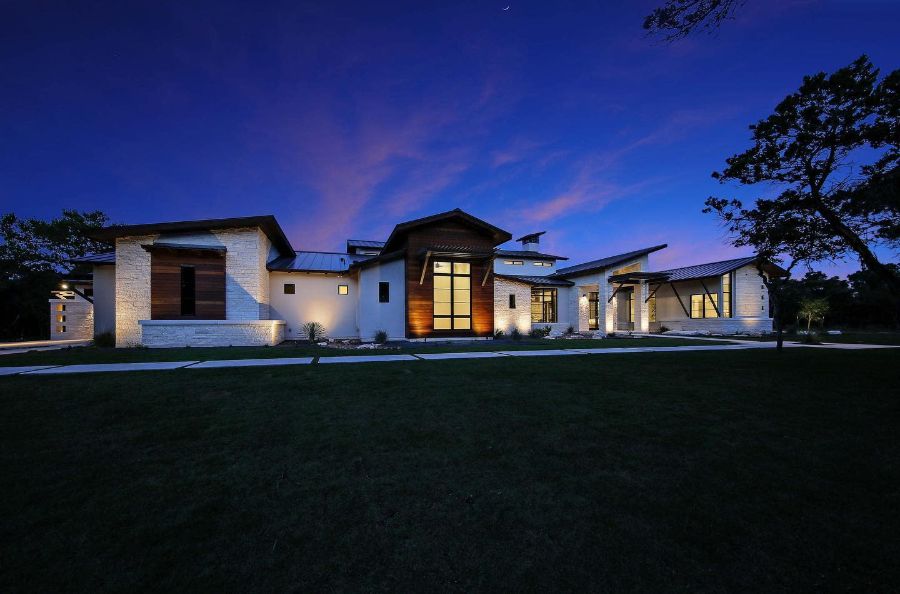
In 2020, the US housing market was experiencing a period of high demand and low supply, which was driving up home prices in many parts of the country. This trend continued through the first half of 2021, and doesn’t seem to have any sense of changing. Not that my astigmatism can see anyway…
One of the main factors contributing to the hot housing market was historically low interest rates, which made it more affordable for many people to buy a home. Additionally, the COVID-19 pandemic really played a role (in my opinion), as many people were looking to move to larger homes or to areas with more outdoor space because we were spending more time at home with people we love, but were realizing we don’t like being around that much.
However, the low supply of homes for sale has made it difficult for many buyers to find a property they like within their budget. This has led to bidding wars in some areas, where multiple buyers compete for the same property and drive up the price even further. The lack of inventory is partly due to a shortage of new construction and existing homeowners choosing to stay put rather than sell. We won’t even START on the supply shortage and all the ports having things locked up and so on and so on.
Overall, while the US housing market has been strong in recent years, the high demand and low supply situation has created challenges for many prospective buyers. It remains to be seen whether this trend will continue in the future, but it’s clear that the current housing market is a seller’s market in many parts of the country. Ask me how I know… And no, I’m not a seller.
What Am I Seeing?
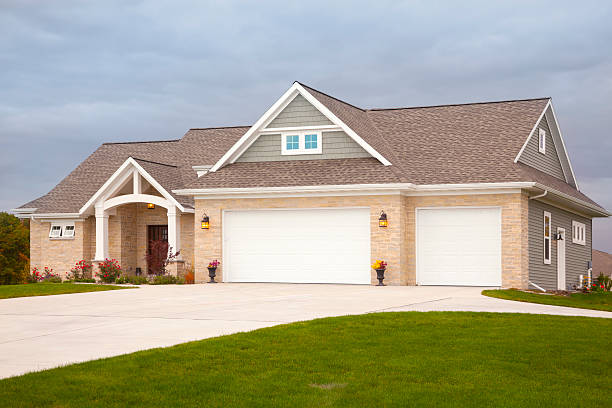
Now that we’re on the other side of the pandemic and these interest rates are the difference between a mortgage being $1,500 a month and $2,500 a month, the divide between the have and have-nots grows daily with no visible replay of 2020 in sight. Because of interest rates, many homeowners and former homeowners have found themselves searching for rental properties in the housing drought. Rental prices skyrocketed and homelessness did too. So, what happens now? I am not sure, but I know that I am certainly ready to bite the proverbial bullet and buy a house. This is a sellers market and I don’t care what ANYONE tries to spin. Argue with someone who ISN’T out here looking for a dream home. It’s tough! I get discouraged and I don’t even have a pre-approval letter! I’m just LOOKING! Lord help us all.
Side Note: SCAMMING!!!

With scammers intercepting legitimate homebuying processes, even buying a home is a frightening thought. Fraudulent activity can have various impacts on the housing market, depending on the nature and extent of the fraud. You didn’t know they were into realty too? Oh yea honey, scammers are SCAMMING PERIOD. This is the thing though, the scams do much more damage than people know. Check out this short list:
- Impact on property values: Fraudulent activity such as mortgage fraud or property flipping schemes can artificially inflate property values in certain areas. This can create a ripple effect in the local housing market, where other properties in the area may also see a rise in value. However, once the fraud is discovered, property values may plummet, leading to a housing market crash.
- Impact on mortgage lending: Mortgage fraud can also have an impact on the availability of mortgage loans in the housing market. When lenders become aware of fraudulent activity in a certain area, they may become more cautious about lending in that area, making it harder for buyers to secure financing.
- Impact on consumer confidence: Fraudulent activity can erode consumer confidence in the housing market, which can lead to a decline in demand for properties. This can create a downward spiral, where falling demand leads to falling prices, which in turn leads to more fraud as desperate sellers try to recoup their losses.
- Impact on regulatory oversight: Fraudulent activity can also lead to increased regulatory oversight in the housing market, as regulators and law enforcement agencies try to crack down on illegal activity. This can create more paperwork and bureaucracy for legitimate buyers and sellers, making it harder for them to navigate the housing market.
So listen… It’s a jungle out here! Fraud can have a range of negative effects on the housing market, including artificially inflating property values, limiting mortgage lending, eroding consumer confidence, and increasing regulatory oversight. It is important for buyers, sellers, and regulators to remain vigilant against fraudulent activity in the housing market (and everywhere else) to ensure its long-term stability and health.
In Conclusion…

I don’t even know what to tell you here. I usually have some kind of cute quip to polish it all off and make a turd look shiny. I don’t. I’m at a loss right now and sometimes I even feel like I’m floundering out here. The best thing for us all to do is to pay attention to our surroundings, immediate and abroad. Pray for the best, and prepare for the worst has always been a practice that keeps me from being in a space where I feel completley helpless.

 Who The Kel?